Listening In
One Client’s CAPABLE Experience
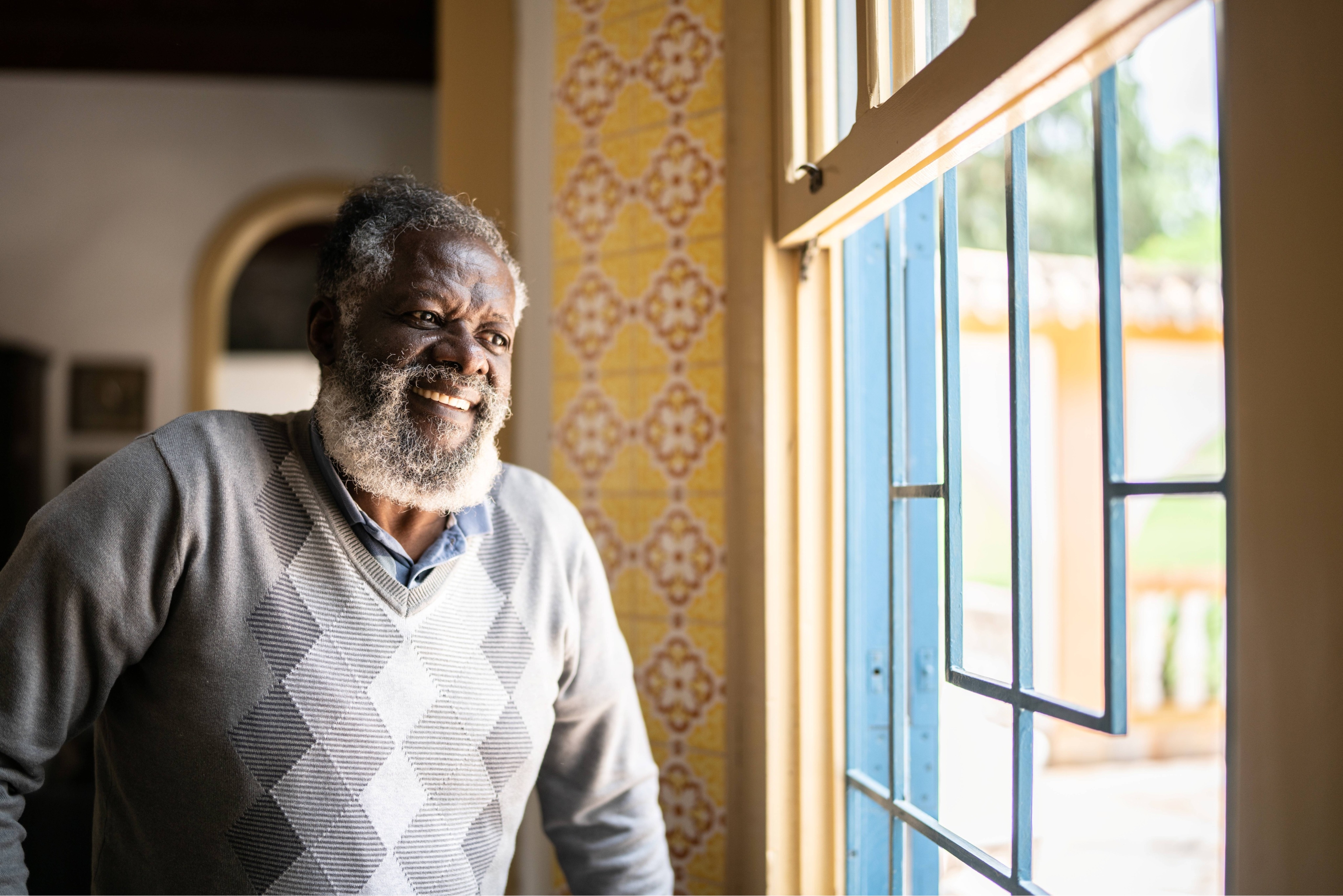
As a journalist, Paul Pickrem has spent much of his life learning how to listen. Over decades of reporting, he has honed a professional instinct for hearing not only what people say, but what they leave unsaid—and what lies beneath the surface. When Paul participated in the CAPABLE program in Nova Scotia, he immediately recognized that same attentiveness at work. What stood out to him was not simply the home modifications or equipment, but how the CAPABLE team listened carefully and responded with purpose.
Paul, who will turn 72 this year, lives on a limited income. Increasing mobility challenges, severe arthritis, and the cumulative effects of aging shape his daily life, as they do for many older adults. Tasks that once felt routine—cutting an onion, squeezing an eye-drop bottle, doing laundry—gradually became difficult or impossible. While medical care addressed diagnoses and treatment plans, it often left the practical realities of day-to-day living unresolved.
CAPABLE stepped directly into that gap. From the beginning, Paul noticed how different the team’s approach felt. “They didn’t come in and tell me what I needed,” he explains. “They asked me.” As someone attuned to power dynamics, that distinction mattered. Week after week, the occupational therapist, nurse, and carpenter returned to his home, asked thoughtful questions, and adjusted plans based on Paul’s priorities. “CAPABLE clients aren’t passive,” he says. “You’re part of the process. It wasn’t something done to me—it was done with me.”
That attentiveness translated into action. What impressed Paul most was the team’s follow-through. “They did everything they said they would do,” he notes. In a healthcare landscape where promises can feel abstract or delayed, that reliability stood out. It gave Paul confidence that the changes underway would not only address his immediate needs but also support him as those needs evolved.
The adaptations ranged from modest to transformative. Bathroom safety improvements included a shower bench with grab bars. Kitchen adjustments restored his ability to wash dishes and prepare food safely. Grabbers, adaptive utensils, compression socks, and tools to help put them on reduced strain on joints affected by arthritis a.jpg) nd tremors. Shelving and decluttering strategies made movement through his home safer and more efficient. These were not conveniences for Paul; they were essential supports that allowed him to remain independent.
nd tremors. Shelving and decluttering strategies made movement through his home safer and more efficient. These were not conveniences for Paul; they were essential supports that allowed him to remain independent.
Paul received this care through Victorian Order of Nurses (VON), a non-profit organization that has been providing home and community care in Canada for over a century. The organization has a mission to help people live in their homes and communities by delivering the caring support that they and their families need. VON delivers the CAPABLE program in partnership with Johns Hopkins and Nova Scotia’s Department of Seniors and Long-term Care.
As someone who writes about marginalized communities and aging populations, Paul understands the broader context surrounding programs like CAPABLE. Nova Scotia has one of the oldest populations in Canada, and many seniors struggle quietly, unsure what help exists or how to access it. “Most people don’t even know the CAPABLE program exists,” he says. When he talks about his experience, he frames it not as charity, but as opportunity—an opportunity to be heard and taken seriously. “I tell people to find out more and see if it’s right for them.”
Looking back, Paul describes CAPABLE as rare and forward-thinking—a program that treats older adults as equal members of the care team. “I’m on the team,” he says. “That is a big deal.” As a journalist, Paul knows that careful listening uncovers the story beneath the surface. He sees that same principle at the heart of CAPABLE: the team listens deeply, identifies what truly matters in a person’s daily life, and responds in ways that allow that story ending to change for the better.
Go Back Paul, who will turn 72 this year, lives on a limited income. Increasing mobility challenges, severe arthritis, and the cumulative effects of aging shape his daily life, as they do for many older adults. Tasks that once felt routine—cutting an onion, squeezing an eye-drop bottle, doing laundry—gradually became difficult or impossible. While medical care addressed diagnoses and treatment plans, it often left the practical realities of day-to-day living unresolved.
CAPABLE stepped directly into that gap. From the beginning, Paul noticed how different the team’s approach felt. “They didn’t come in and tell me what I needed,” he explains. “They asked me.” As someone attuned to power dynamics, that distinction mattered. Week after week, the occupational therapist, nurse, and carpenter returned to his home, asked thoughtful questions, and adjusted plans based on Paul’s priorities. “CAPABLE clients aren’t passive,” he says. “You’re part of the process. It wasn’t something done to me—it was done with me.”
That attentiveness translated into action. What impressed Paul most was the team’s follow-through. “They did everything they said they would do,” he notes. In a healthcare landscape where promises can feel abstract or delayed, that reliability stood out. It gave Paul confidence that the changes underway would not only address his immediate needs but also support him as those needs evolved.
The adaptations ranged from modest to transformative. Bathroom safety improvements included a shower bench with grab bars. Kitchen adjustments restored his ability to wash dishes and prepare food safely. Grabbers, adaptive utensils, compression socks, and tools to help put them on reduced strain on joints affected by arthritis a
nd tremors. Shelving and decluttering strategies made movement through his home safer and more efficient. These were not conveniences for Paul; they were essential supports that allowed him to remain independent.Paul received this care through Victorian Order of Nurses (VON), a non-profit organization that has been providing home and community care in Canada for over a century. The organization has a mission to help people live in their homes and communities by delivering the caring support that they and their families need. VON delivers the CAPABLE program in partnership with Johns Hopkins and Nova Scotia’s Department of Seniors and Long-term Care.
As someone who writes about marginalized communities and aging populations, Paul understands the broader context surrounding programs like CAPABLE. Nova Scotia has one of the oldest populations in Canada, and many seniors struggle quietly, unsure what help exists or how to access it. “Most people don’t even know the CAPABLE program exists,” he says. When he talks about his experience, he frames it not as charity, but as opportunity—an opportunity to be heard and taken seriously. “I tell people to find out more and see if it’s right for them.”
Looking back, Paul describes CAPABLE as rare and forward-thinking—a program that treats older adults as equal members of the care team. “I’m on the team,” he says. “That is a big deal.” As a journalist, Paul knows that careful listening uncovers the story beneath the surface. He sees that same principle at the heart of CAPABLE: the team listens deeply, identifies what truly matters in a person’s daily life, and responds in ways that allow that story ending to change for the better.