Fall 2026 CAPABLE Newsletter: Research, Resources and Stories of Independence
The Fall 2026 CAPABLE newsletter brings together participant stories, new research, national recognition and practical resources for organizations working to help older adults live safely and independently at home.
From the experiences of CAPABLE participants to emerging evidence about home accessibility, this issue highlights the impact of a person-directed approach to aging in place.
Finding Solutions and Building Independence
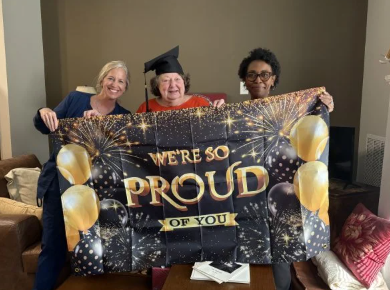
One of the most powerful stories in this issue comes from Christine Hanger, a recent graduate of the JFS Richmond CAPABLE program.
Christine entered the program with goals related to organizing her living spaces and personal calendar. Through her work with the CAPABLE team, she made meaningful changes to her home and daily routines.
But perhaps her biggest takeaway was a new approach to problem-solving. Rather than accepting that something simply had to remain difficult, Christine learned to look for practical solutions and recognize that change was possible.
Her experience reflects an important element of CAPABLE: older adults are active partners in identifying the challenges they face and determining what changes can help them achieve their own goals.
Starting With What Matters
The newsletter also features CAPABLE Clinical Training Specialist Ally Evelyn-Gustave in a conversation about the CAPABLE approach and the role occupational therapists play in supporting safer, more independent living.
CAPABLE brings together occupational therapy, nursing and home-modification support to address what matters most to each participant. That might mean improving home safety, making everyday activities easier or addressing barriers that affect a person's ability to remain independent.
The approach recognizes that a person's home environment is an important part of their overall care and that even relatively small changes can have a meaningful impact.
New Research Adds to the Evidence
New research published in July 2026 provides additional insight into CAPABLE's potential to improve home accessibility.
The study examined 44 participants who completed assessments before and after the CAPABLE intervention. Median home accessibility scores increased from 58.55% to 78.35% — an improvement of nearly 20%.
Researchers concluded that CAPABLE may improve home accessibility and support older adults in maintaining independence and aging in place.
The findings reinforce the value of bringing the older adult, occupational therapist, nurse and handy worker together to identify barriers and develop practical solutions tailored to the individual's goals, abilities and living environment.
CAPABLE National Center Named a Patient Safety Prize Finalist
The CAPABLE National Center has also been selected as a finalist for the Elevance Health Foundation Patient Safety Prize in the Promoting Fall-Free Futures category.
The recognition highlights innovative and proven solutions with the potential to improve patient safety in communities across the United States.
Falls prevention and home safety are important components of helping older adults remain independent, making this recognition particularly relevant to the work of CAPABLE programs nationwide.
Resources for CAPABLE Programs This Fall
The Fall 2026 newsletter also provides practical ideas for CAPABLE teams as they move toward the end of the year.
Among the recommendations are opportunities to:
- Explore falls prevention and home safety resources.
- Strengthen relationships with community partners and referral sources.
- Review participant outcomes, program data and fidelity to the CAPABLE approach.
- Support the occupational therapists, nurses and handypersons delivering the program.
- Continue professional learning across the aging field.
- Explore emerging research on CAPABLE and adaptations for older adults with mild cognitive impairment or early dementia.
The newsletter also highlights several upcoming conferences and learning opportunities focused on aging, age-friendly communities, geriatrics, aging in place and older adult care.
Keeping Older Adults at the Center
Across the stories and resources in this issue, one theme comes through clearly: CAPABLE starts with the older adult and what matters most to them.
By combining clinical expertise, practical home modifications and the goals of the person receiving services, CAPABLE helps create individualized solutions that can support safety, independence and quality of life.
Read the complete Fall 2026 CAPABLE Newsletter for the latest stories, research and resources:
https://mailchi.mp/jhu/capable-fall-2026-newsletter-17466687